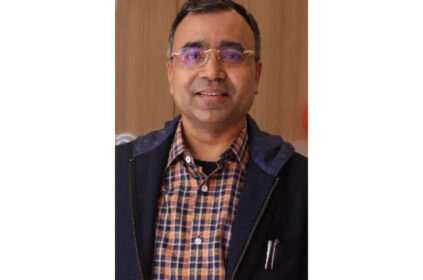

Dr Sudhanshu Grover
Chandigarh [India], November 19: India’s polio-free status is a significant public-health milestone, achieved through years of sustained vaccination efforts and robust surveillance. Preserving this achievement requires continued commitment across generations, ensuring that the success of past immunisation campaigns translates into protection for every child born today.
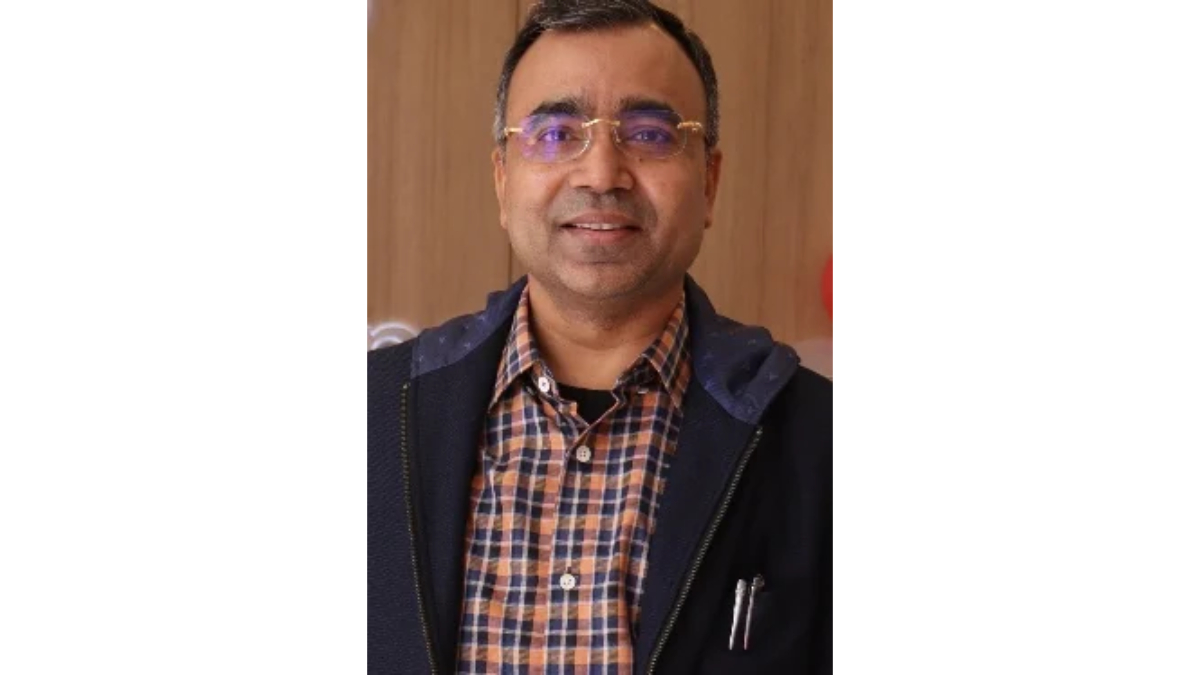
“A public-health achievement of this scale must be sustained through consistent action. When a disease becomes uncommon in everyday life, families may have fewer opportunities to recognise its risks. Timely vaccination, awareness among parents and continued surveillance are essential to ensuring that the progress made against polio is preserved,” said Dr Sudhanshu Grover, Paediatrician and Neonatologist, Cloudnine Hospital, Chandigarh.
The need for continued vigilance is reinforced by the global circulation of poliovirus. Wild poliovirus type 1 continues to circulate in Afghanistan and Pakistan. Given India’s geographical proximity to these countries and ongoing cross-border movement, the possibility of reintroduction remains a public-health concern. Maintaining high vaccination coverage is therefore important even in countries that have achieved polio-free status.
Polio can have severe and permanent consequences. The virus can attack the nervous system and cause irreversible paralysis, sometimes within hours. Around one in 200 infections can lead to paralysis, and 5–10% of those who develop paralysis may die if their breathing muscles are affected. Many infections cause no symptoms or only mild illness, allowing transmission to occur without obvious warning signs. There is no cure for polio, making vaccination central to prevention.
Dr Sudhanshu Grover added, “Keeping India polio-free is a responsibility shared by families, healthcare professionals and public-health authorities. Parents should ensure that their children receive the recommended vaccine doses on time and consult their paediatrician if they have questions about the schedule or a missed dose. Consistent attention to immunisation at the family level helps sustain the wider public-health effort.”
The recommended childhood polio immunization begins at birth with a priming dose of oral polio drops, followed by primary doses at 6, 10 and 14 weeks of age. This is followed by booster doses at 16-18 months and 4-6 years. Completing these doses on schedule is an important part of maintaining protection through early childhood and the school-entry years.
WHO – Poliomyelitis fact sheet
India’s experience demonstrates what sustained immunisation efforts can achieve. Protecting that progress now depends on ensuring that vaccination remains a priority for every new generation, supported by strong surveillance and continued public awareness. A polio-free status is a milestone worth preserving through consistent action, long after the disease has faded from everyday experience.
If you object to the content of this press release, please notify us at pr.error.rectification@gmail.com. We will respond and rectify the situation within 24 hours.