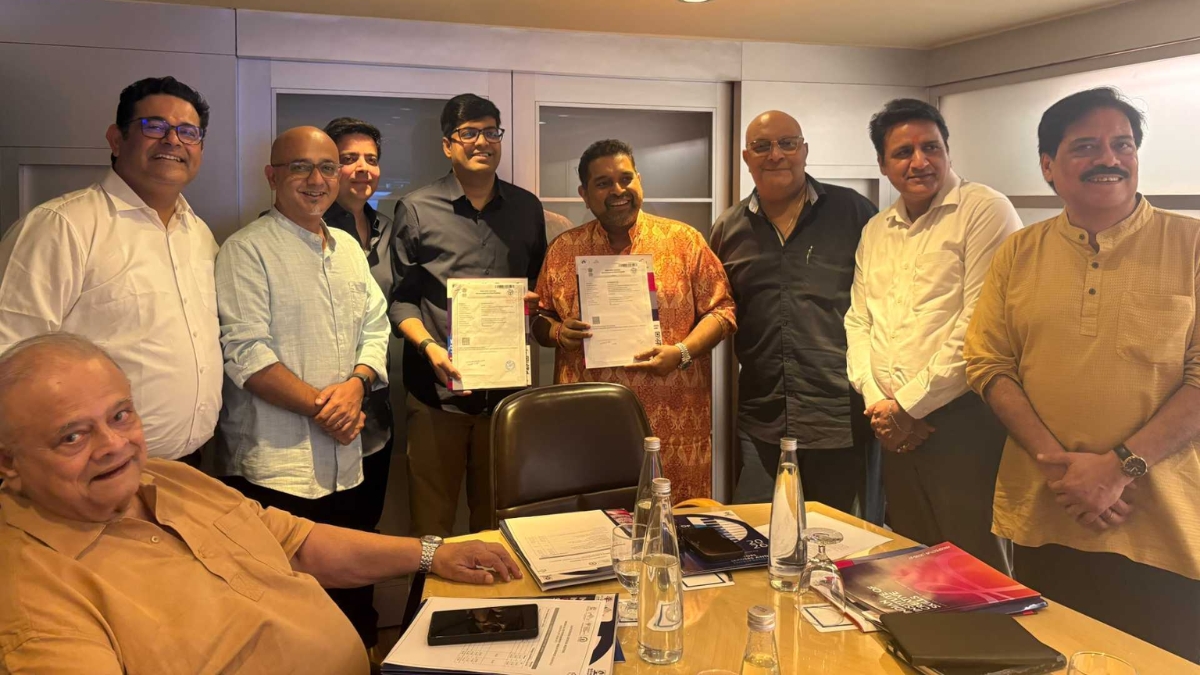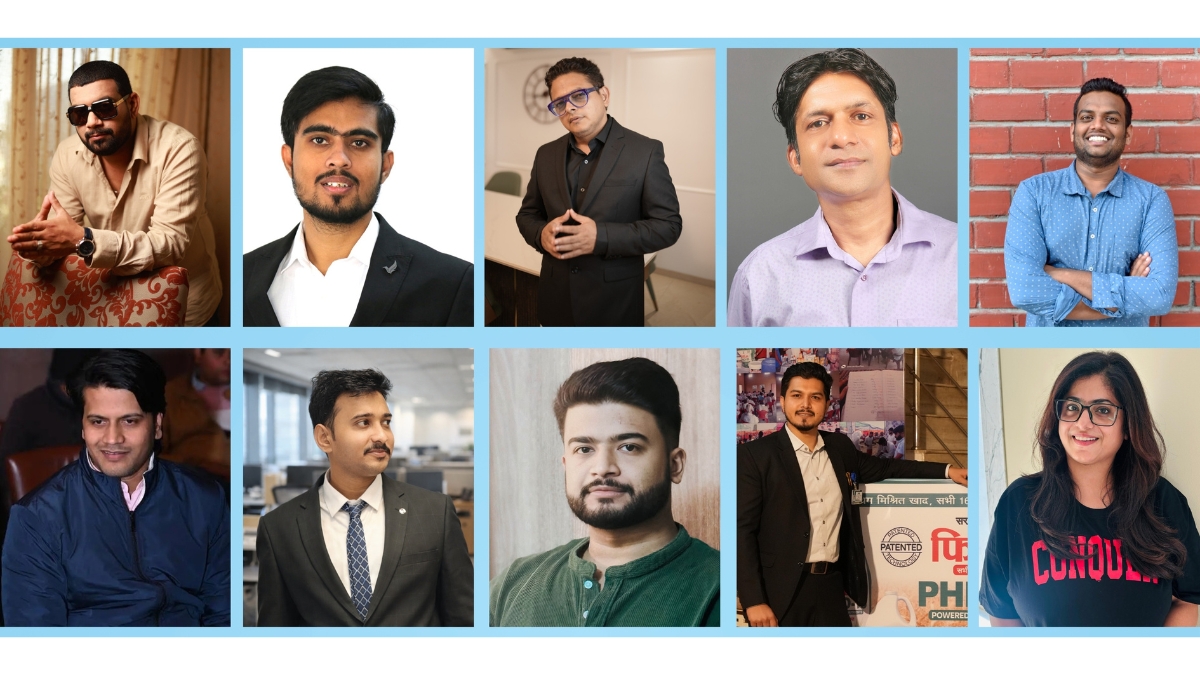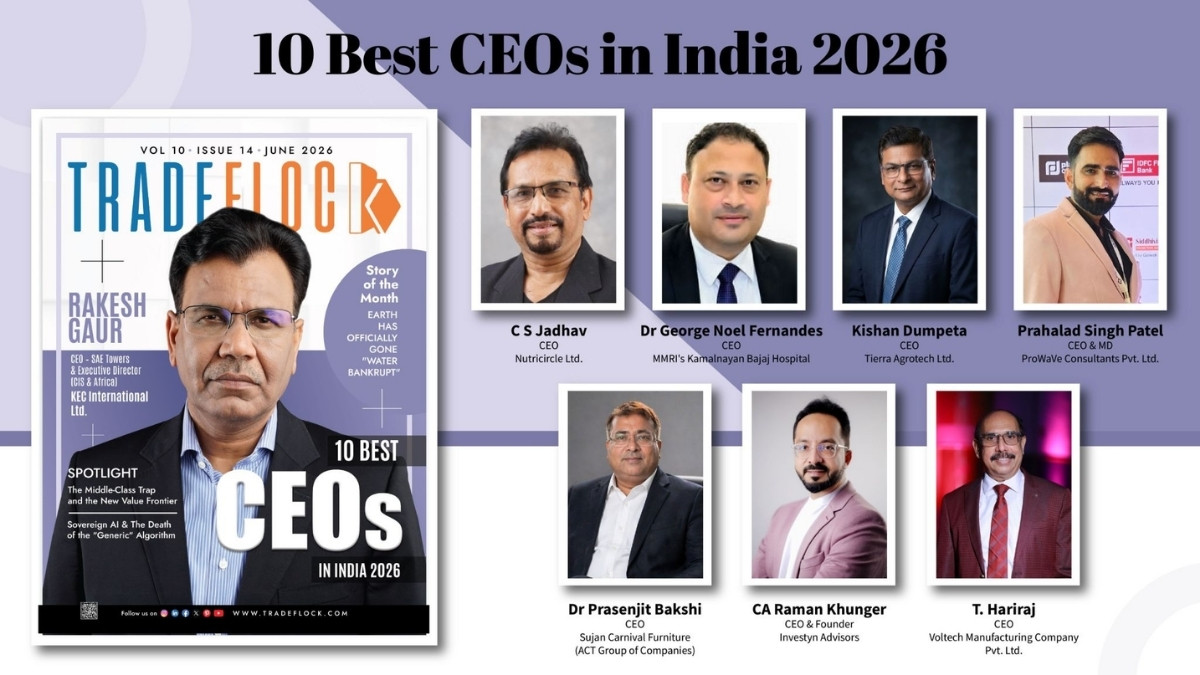

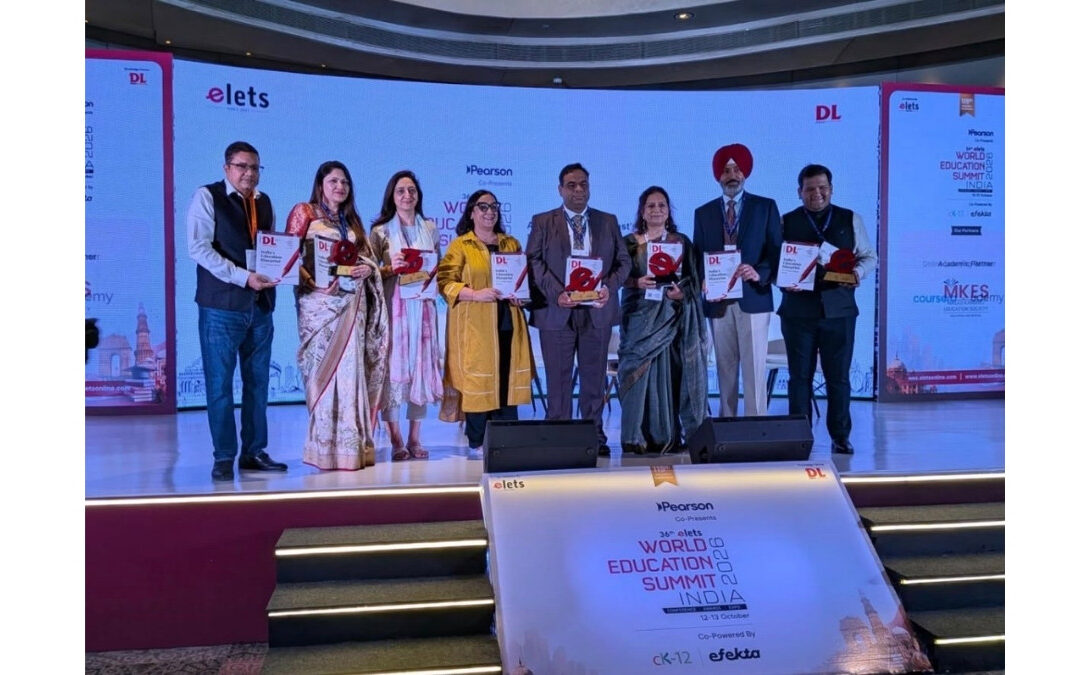
Senior voices from NITI Aayog, CBSE and the Capacity Building Commission joined leaders from Extramarks, IIM Ahmedabad, CBSE and Pearsonat the closed-door summit to examine AI, adaptive learning and future-ready education.
New Delhi [India], October 14: The 36th Elets World Education Summit 2026 brought two strands of India’s education conversation into the same room: immediate classroom questions on artificial intelligence and adaptive learning, and the longer-term challenge of building institutions equipped for a changing world.
Held in New Delhi under the theme “Building a Future-Ready Global Education Ecosystem,” the closed-door summit brought together decision-makers from government, schools, higher education and the education-technology ecosystem.
The inaugural session, “Education as the Engine of Viksit Bharat @2047: Building India as a Global Powerhouse of Talent, Innovation & Knowledge,” brought together Prof Gobardhan Das, Member, NITI Aayog, and Dr Shashank Shah, Senior Specialist, Higher Education Division, NITI Aayog, alongside public, academic and industry leaders. The session situated education within India’s wider Viksit Bharat ambition, with a focus on talent, innovation and knowledge. Dr Biswajit Saha, Director, Skill Education & Training, CBSE, also joined the inaugural session.
For Extramarks Education, the conversations at WES 2026 align closely with its work across schools. Extramarks, which was recognised as EdTech Company of the Year at the World Education Awards 2026, was represented in the panel, “Personalised Learning at Scale: Can Every Child Have Their Own Learning Path?”, by Poonam Singh Jamwal, Chief Business Officer, Extramarks Education. The discussion examined the conditions required to make tailored learning pathways work in diverse school environments, including teacher readiness, academic rigour, infrastructure, equity and the thoughtful use of learning data.
Jamwal noted that EdTech sector has evolved to reduce teachers’ administrative workloads, enabling them to focus more closely on students and learning outcomes. She added that Extramarks’ AI, Extra Intelligence (ExtrAI), including tools such as Ask a Doubt and Help Me Solve It, supports a more personalised and holistic learning experience by recognising that every child learns differently and tailoring support to individual needs.
The wider higher-education agenda also included Prof Bharat Bhasker, Director, IIM Ahmedabad, who joined the panel “Global Education Order 2035: Who Leads the Knowledge Economy?”, which examined how the global higher education and skills ecosystem is shifting towards a more competitive knowledge economy.
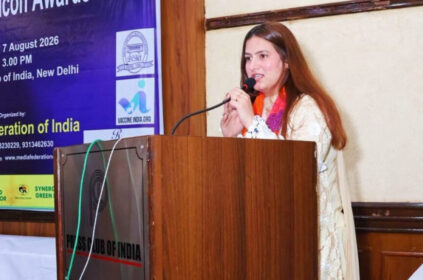
Later in the programme, Charneeta Kaur, President – Product & Growth, Extramarks Education, addressed the summit in “The Future of Learning: From Books to AI and Everything in Between.” She outlined the need for an ecosystem of school solutions that brings stakeholders around the learner together, alongside AI-powered capabilities such as Extra Intelligence and experiential learning through offerings including Extramarks’ K–5 Smart Books. The session connected classroom adoption with a broader view of learning, in which content, pedagogy, teacher support and student engagement work together across the school ecosystem.
The summit drew organisations from across the learning ecosystem, including Pearson, CK-12 Foundation, Efekta Education and Turnitin. Their participation signals that the future classroom will not be shaped by one platform or device, but by a stronger connection between curriculum, pedagogy, teacher capability, assessment and technology.
The enduring test for education stakeholders will be how effectively they work together. The most future-ready classroom may not be the one with the most technology, but one in which technology gives teachers more insight, learners more agency and schools a clearer path to better outcomes—while keeping human connection at the heart of learning.